Welcome to Visit a Story: Every Place Has a Story

Some places are beautiful because of the way they look. Others become unforgettable because of what happened there.
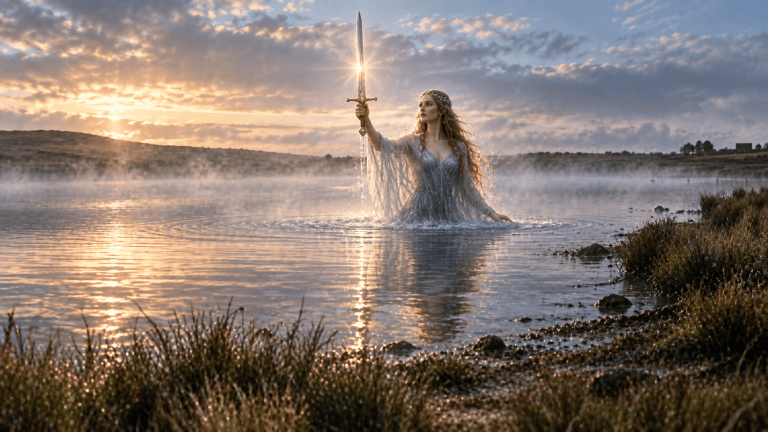
A lake on Bodmin Moor is suddenly more than a stretch of dark water when you know it has been associated for centuries with the legend of King Arthur and Excalibur. An old inn becomes far more interesting when you discover the smugglers, travellers and writers who passed through its doors. A country house changes completely when you know about the fire that tore through it, the family who rebuilt it and the ghosts people still claim to encounter in its rooms.
That is the idea behind Visit a Story.
We want to find the history, legends, mysteries, people and sometimes wonderfully strange stories attached to real places, and then show you how to go and stand in those places yourself.
Because sometimes the best reason to visit somewhere is knowing its story.
The places hiding extraordinary stories
Britain is full of them.
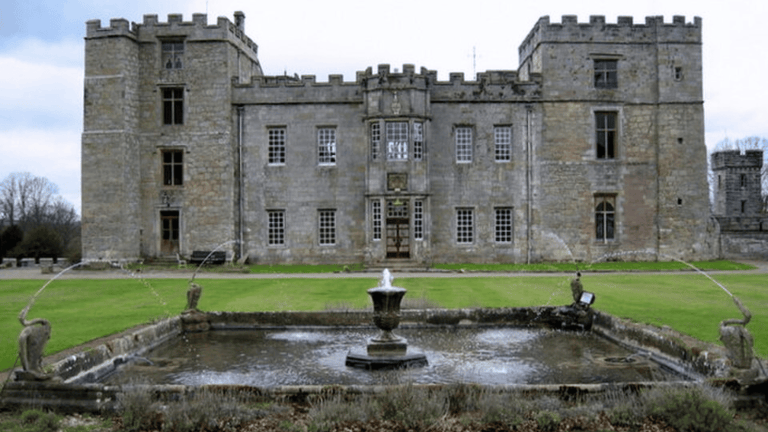
Castles where prisoners waited for execution. Inns once used by smugglers. Ancient stone circles whose original purpose has been lost. Country houses shaped by love, wealth, scandal and tragedy. Hills associated with witches. Lakes connected to Arthurian legend. Battlefields, ruined churches, old mines, forests, villages and stretches of moorland where folklore has survived for hundreds of years.
Some are famous attractions visited by thousands of people every year.
Others are places you could quite easily drive past without ever knowing there was a story there at all.
Visit a Story exists for both.
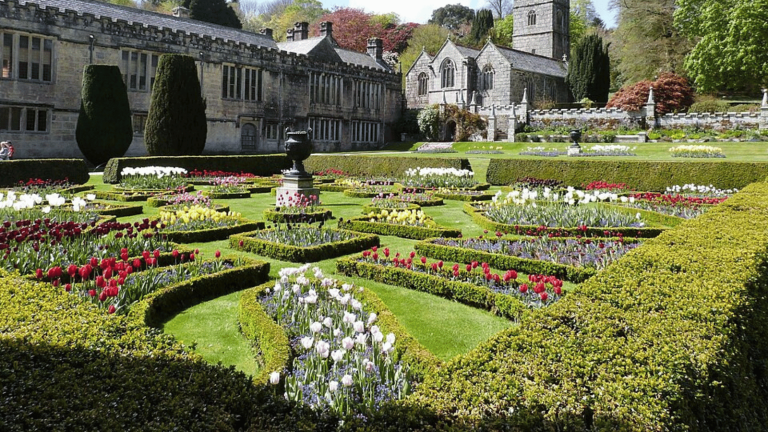
We might take you inside Lanhydrock in Cornwall, where a devastating fire in 1881 transformed both the house and the lives of the family who lived there. We might cross Bodmin Moor to Dozmary Pool, traditionally associated with the Lady of the Lake and the return of Excalibur. We might travel north to Pendle Hill and explore the real events behind the Lancashire witch trials of 1612.
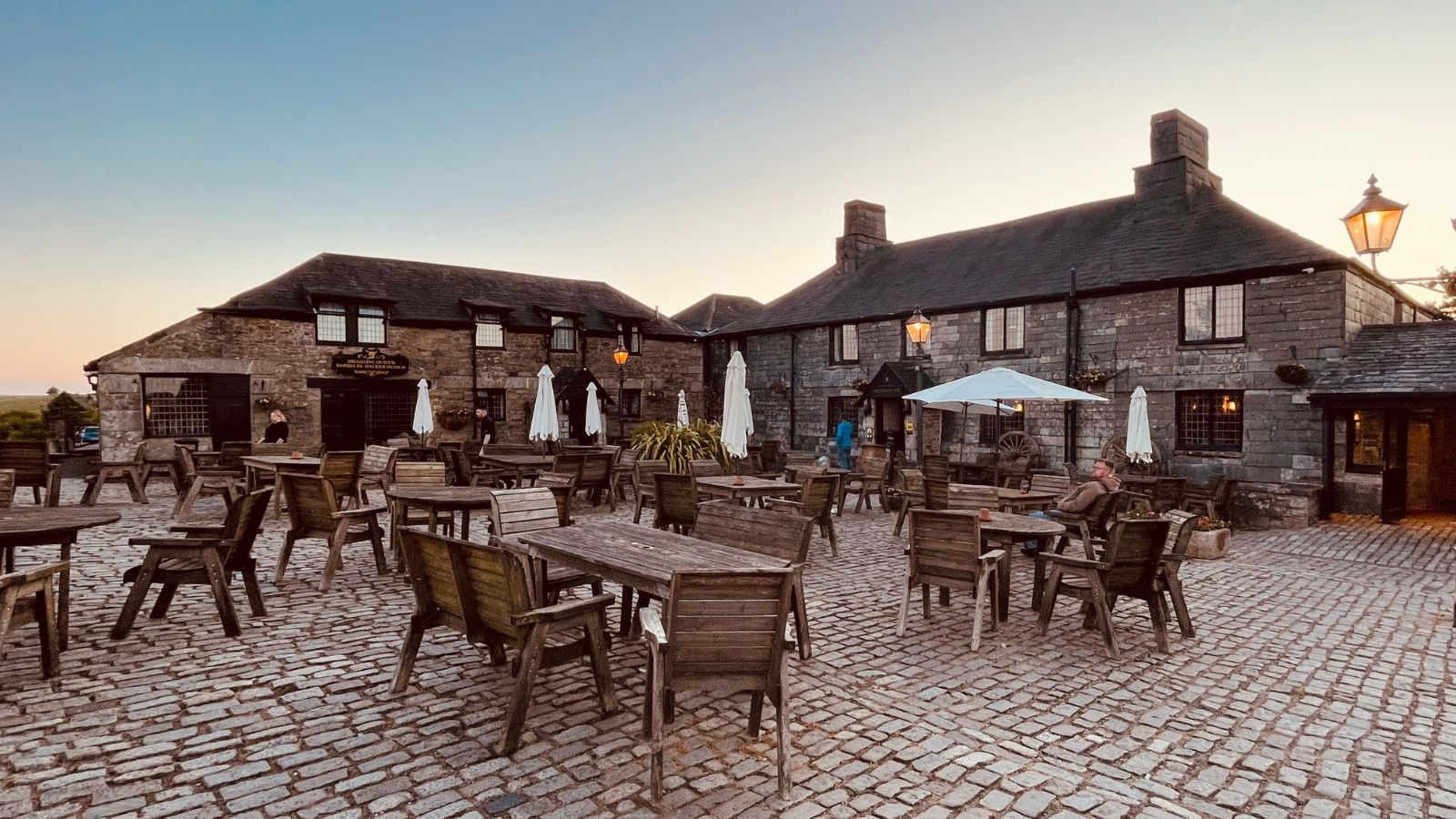
Then there are places such as Jamaica Inn, where real history and fiction have become almost impossible to separate in the public imagination. The isolated inn on Bodmin Moor was already centuries old when Daphne du Maurier encountered it and later transformed it into the dark setting of her famous novel.
Every one of those places can still be visited.
And knowing what came before changes the experience of being there.
History, folklore and the stories in between
Not every great story can be proved.
That is part of the fun, but it is also where we think honesty matters.
Some of the stories we tell are firmly documented history. Others come from folklore, oral tradition, local legend or reports of strange experiences that cannot be independently verified.
We will tell you which is which.
If a ghost has reportedly been seen walking a corridor, we will say that people have reported seeing it. If an ancient legend has several different versions, we will tell you that too. If generations of local people have associated a place with a particular story but nobody can prove where the tradition began, that uncertainty is part of the story rather than something that needs to be hidden.
A legend does not have to be historically true to be culturally important.
And history rarely needs embellishing anyway.
Once you start looking closely enough, reality tends to provide more than enough murder, romance, betrayal, bravery, disaster, eccentricity and coincidence of its own.
Why visiting changes the story
There is something very different about reading a story and then going to the place where it happened.
A photograph can show you an old staircase. Standing at the bottom of it while knowing who once climbed those steps is something else entirely.
You can read about a storm on Bodmin Moor from your sofa. You understand the landscape rather differently when the wind is pushing against you and the clouds have swallowed the horizon.
You can learn the dates associated with a castle, church or country house. But when you walk through its rooms, notice the worn stone beneath your feet or look through a window at the same landscape somebody watched centuries before you, history becomes less remote.
That is the experience Visit a Story is trying to capture.
Not just what can I do here?
But what happened here?
Who lived here? Who died here? What did people believe? What went wrong? What survived? And what stories are still being told long after the people at the centre of them disappeared?
More than the obvious attractions
Visit a Story is also about travelling differently.
Of course we will visit famous castles, historic houses and landmarks. They deserve their place.
But some of the most fascinating discoveries are smaller.
A monument on a hill. A grave in a churchyard. A forgotten railway. A strange carving above a doorway. An old road with an unusual name. A pub whose history stretches back hundreds of years. A woodland where a local legend refuses to disappear.
Sometimes there will be an entrance fee and a gift shop.
Sometimes there will be nothing there except the landscape and the story.
Both belong here.
Alongside the stories, Visit a Story will help you find the practical things that turn curiosity into an actual trip: places to visit, things to do, places to stay and the information you need to explore an area for yourself.
The story might be what brings you there.
What you discover afterwards is up to you.
Why I created Visit a Story
Visit a Story grew out of something very simple: I have always loved discovering the story behind a place.
I’m the person who wants to know what happened in the old house at the end of the road, why a ruined building was abandoned, where a local legend came from, or who once stood in the room I’m walking through. Give me a beautiful view and I’ll admire it. Tell me there is a strange story attached to it and I immediately want to know everything.
And I realised that the places I remember most from my travels are often the ones where I knew the story before I arrived.
That is what I wanted to create here: somewhere that brings those stories together and, importantly, helps you go and experience the places connected to them for yourself.
I’m building Visit a Story because I genuinely want to use it too. I want it to send me down roads I’ve never driven, into towns I might otherwise have passed through and towards places I didn’t know existed until I discovered the story behind them.
If it does the same for you, then it is doing exactly what I hoped it would.
Now you can listen to the stories too
Stories existed long before websites did.
They were told around fires, across dinner tables, in pubs and between generations. People remembered them because somebody told them well enough that another person wanted to repeat them.
So it seems right that Visit a Story should be something you can listen to as well as read.
Selected stories from the site will now be available as podcast episodes. You might listen while planning a trip, driving towards the place itself, walking through the countryside or simply because you’d rather hear a story than sit and read one.
And this is only the beginning.
Over time there will be more places, more history, more legends and more strange corners of the map to explore.
Some stories will take us into grand houses and famous landmarks.
Others may lead to places neither of us has ever heard of before.
That, really, is the part I am most excited about.
Find a story worth visiting
Travel does not always have to begin with a list of the most popular attractions.
Sometimes it can begin with a question.
What happened there?
Perhaps you will discover a story about somewhere you already know and realise you have been walking past its history for years.
Perhaps you will hear an extraordinary story and decide you simply have to see the place for yourself.
Or perhaps Visit a Story will take you somewhere you would never otherwise have thought to go.
That is exactly what I hope happens.
Because everywhere has history.
Many places have legends.
And every now and then, you find somewhere with a story so good that you simply have to visit it.
Welcome to Visit a Story.